📅 Festival Timeline 2026
Sacred celebrations and auspicious dates
Makar Sankranti
Makar Sankranti marks the transition of the Sun into Makara rashi (Capricorn). It is one of the few Hindu festivals which are celebrated on a fixed date.
Vasant Panchami
Vasant Panchami marks the preparation for the arrival of spring. The festival is dedicated to Goddess Saraswati, the deity of knowledge and learning.
Maha Shivaratri
Maha Shivaratri is the great night of Lord Shiva. Devotees observe day and night fast and worship Shiva Lingam with Bel leaves, milk, and honey.
Holi
Holi is the festival of colors, celebrating the arrival of spring, the end of winter, and the triumph of good over evil. People play with colors and water.
Ugadi / Gudi Padwa
Ugadi marks the beginning of the New Year for the people of Karnataka, Andhra Pradesh, and Telangana. Gudi Padwa is the Maharashtrian New Year.
Ram Navami
Ram Navami celebrates the birth of Lord Rama, the seventh avatar of Vishnu. The festival is marked by prayers and recitation of the Ramayana.
Hanuman Jayanti
Hanuman Jayanti celebrates the birth of Lord Hanuman, the great devotee of Lord Rama. Special prayers and offerings of bananas and ladoos are made.
Akshaya Tritiya
Akshaya Tritiya is considered one of the most auspicious days in the Hindu calendar. It is believed that any activity started on this day achieves success.
Ganesh Chaturthi
Ganesh Chaturthi celebrates the birth of Lord Ganesha. Clay idols of Ganesha are installed in homes and public pandals, worshipped for 10 days.
Navaratri
Navaratri is a nine-night festival celebrating the divine feminine powers. Each day is dedicated to a different form of Goddess Durga.
Dussehra / Vijayadashami
Dussehra celebrates the victory of Lord Rama over Ravana and the triumph of good over evil. Effigies of Ravana are burned across India.
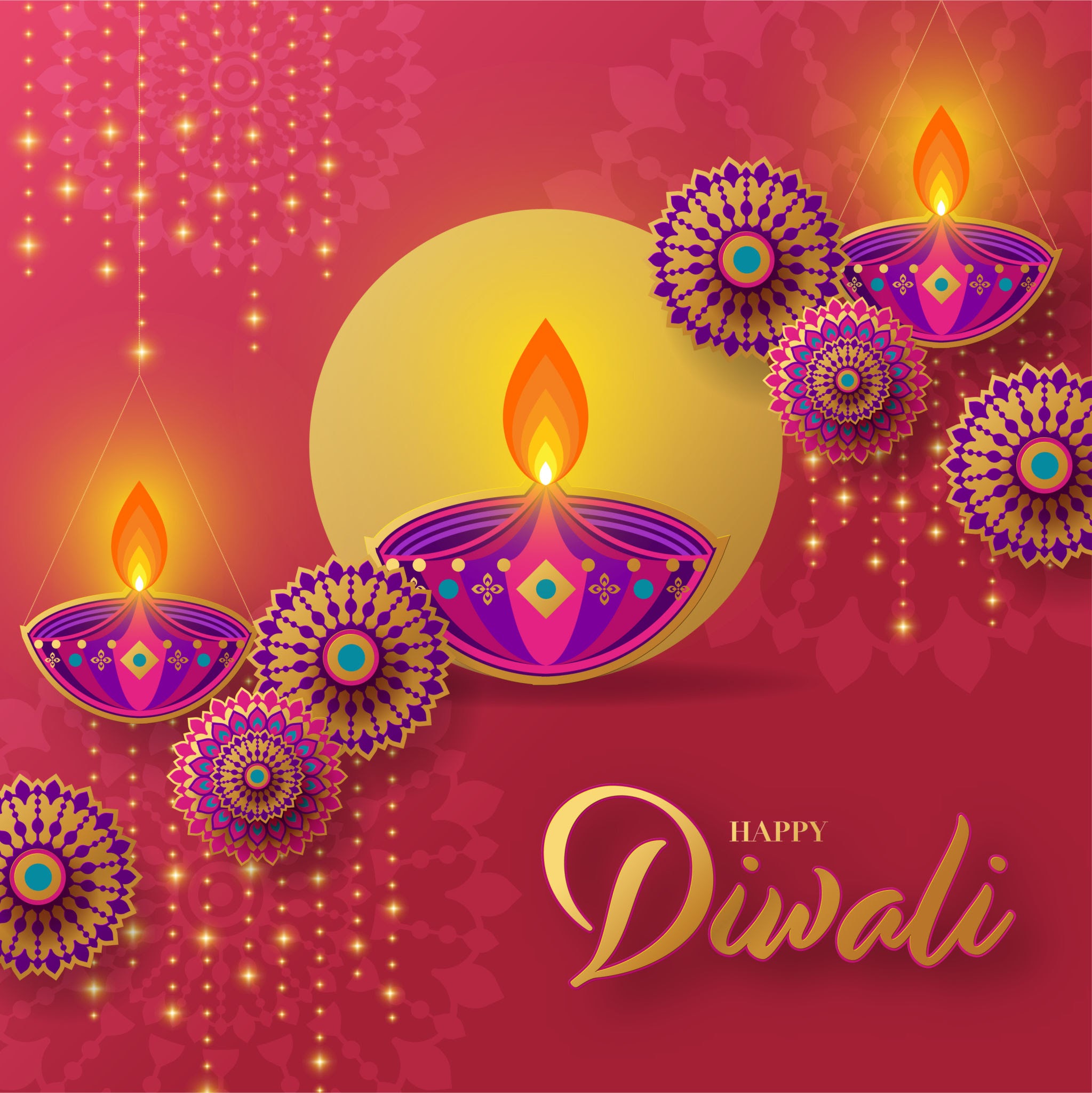
Diwali
Diwali, the festival of lights, celebrates the return of Lord Rama to Ayodhya. Homes are decorated with oil lamps, rangoli, and fireworks light up the sky.